
Generative Engine Optimization vs SEO: What’s the Difference in 2025?

What Is SEO (Search Engine Optimization)?

For more than twenty years, Search Engine Optimization (SEO) has been the backbone of online visibility, helping businesses grow their presence on Google, Bing, and other search engines. However, as AI-powered search evolves, the conversation around Generative Engine Optimization vs SEO has become crucial. By targeting specific keywords, optimizing websites for speed and mobile use, building backlinks, and creating high-quality content, traditional SEO has enabled brands to attract steady streams of visitors, generate valuable leads, and drive consistent sales yet understanding Generative Engine Optimization vs SEO is now key to staying ahead.

1. Keyword Research and Targeting

Search Engine Optimization (SEO) starts with understanding exactly what people are searching for online. Marketers use tools like Google Keyword Planner, SEMrush, or Ahrefs to research high-volume and relevant keywords. In today’s evolving digital landscape, understanding Generative Engine Optimization vs SEO is essential to stay ahead. By analyzing search intent behind these terms, businesses can create optimized web pages, blog posts, or landing pages that not only attract targeted traffic but also position brands strongly in the Generative Engine Optimization vs SEO discussion. Ultimately, those who master both strategies balancing traditional SEO tactics with new AI-focused methods gain higher visibility, engagement, and growth, proving the importance of addressing Generative Engine Optimization vs SEO in every marketing plan.

2. On-Page Optimization

This process focuses on refining every on-page element to enhance clarity, relevance, and performance for both users and search engines. In the context of Generative Engine Optimization vs SEO, it includes crafting compelling titles, writing keyword-rich meta descriptions, structuring content with well-organized headers, and optimizing URLs for readability. Understanding Generative Engine Optimization vs SEO ensures the overall content directly addresses user needs while aligning with both AI driven platforms and traditional search engines. Together, these improvements highlight how mastering Generative Engine Optimization vs SEO can boost search visibility, increase click-through rates, and create a better user experience that supports higher rankings.

3. Technical SEO

Search engines prioritize websites that deliver a seamless user experience this means pages must load quickly, display perfectly on mobile devices, and follow a well-structured, clean site architecture. In the debate of Generative Engine Optimization vs SEO, technical SEO focuses on optimizing these behind-the-scenes factors, ensuring that search engine crawlers can efficiently navigate, understand, and index your website. By addressing key issues like broken links, duplicate content, and slow speeds, understanding Generative Engine Optimization vs SEO helps improve rankings and enhances overall website performance.

4. Link Building and Authority

Backlinks from reputable and authoritative websites function like endorsements or votes of confidence for your content. In the ongoing discussion of Generative Engine Optimization vs SEO, earning links from trusted sites signals to search engines like Google that your website is credible and valuable. The more high-quality backlinks you gain, the clearer your authority becomes showing how Generative Engine Optimization vs SEO strategies can work together to boost rankings, drive organic traffic, and Position your brand as a credible and dependable source of information.

The Goal of SEO

The ultimate goal is simple: rank higher in the SERPs (search engine results pages) to get more clicks and traffic.


What Is GEO (Generative Engine Optimization)?

 

Generative Engine Optimization vs SEO

Backlinks from reputable and authoritative websites function like endorsements or votes of confidence for your content. In the ongoing discussion of Generative Engine Optimization vs SEO, earning links from trusted sites signals to search engines like Google that your website is credible and valuable. The more high-quality backlinks you gain, the clearer your authority becomes showing how Generative Engine Optimization vs SEO strategies can work together to boost rankings, drive organic traffic, and position your brand as a reliable source of information.

Unlike SEO, which is all about climbing the rankings, GEO is about being chosen by AI as a trusted source of information even if no one clicks your link.

Key Features of GEO
 

Generative Engine Optimization vs SEO

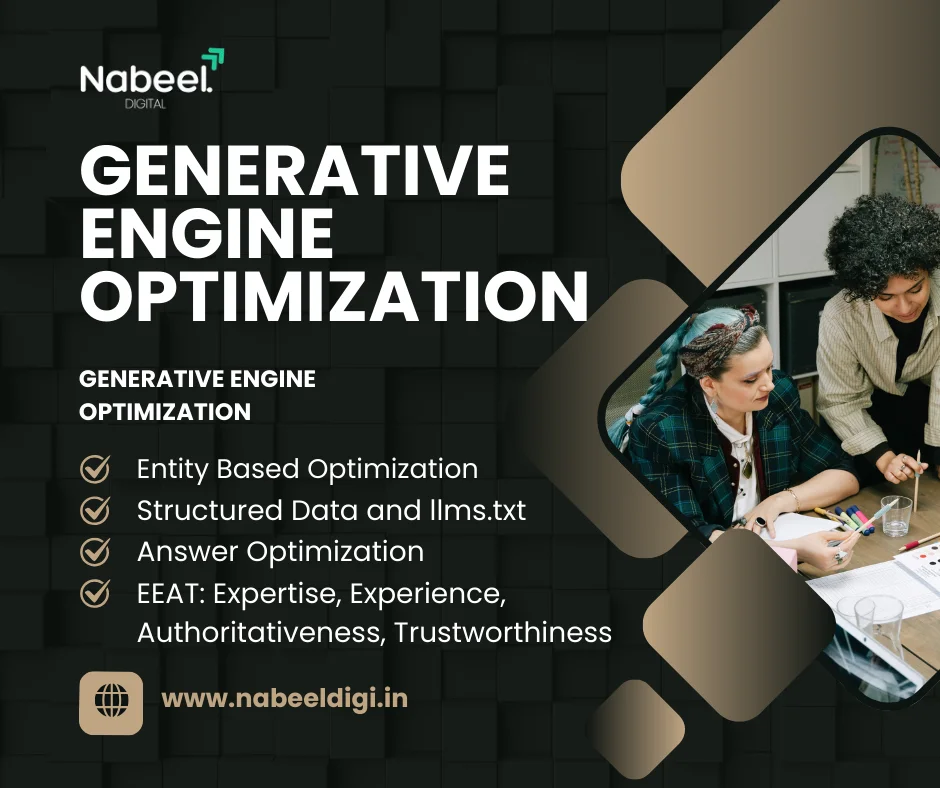
1. Entity-Based Optimization

AI-powered search engines no longer rely solely on matching keywords; they recognize and understand entities such as people, brands, products, and locations. In the evolving landscape of Generative Engine Optimization vs SEO, it’s crucial to ensure content is organized, precise, and context-rich. Applying Generative Engine Optimization vs SEO principles helps large language models interpret topics accurately and highlight your information in AI-driven search results.

2. Structured Data and llms.txt

Implementing schema markup and adding llms.txt files provides structured guidance for large language models (LLMs), helping them interpret your website’s content more effectively. In the context of Generative Engine Optimization vs SEO, these tools clarify how your pages should be crawled, cited, and summarized, ensuring that AI-driven search engines present your information accurately and enhance your online visibility.

3. EEAT: Expertise, Experience, Authoritativeness, Trustworthiness

Google and other AI-powered search systems prioritize citing trustworthy, authoritative sources. Generative Engine Optimization (GEO) emphasizes creating high-value content supported by original research, expert insights, and verifiable evidence. By demonstrating genuine expertise and credibility, your content is more likely to be recognized, referenced, and featured in AI-driven search results.

4. Answer Optimization

Instead of focusing only on writing content designed to generate clicks, Generative Engine Optimization (GEO) organizes information in a precise, factual, and structured manner. By making content clear, well-formatted, and easy for AI systems to reference, GEO increases the chances of being featured in large language model–generated search responses.

The Goal of GEO

The primary goal of Generative Engine Optimization (GEO) is to secure visibility within AI-generated answers. In discussions of Generative Engine Optimization vs SEO, well-optimized content ensures that AI systems directly reference your brand, product, or website, positioning you as a trusted source and driving awareness, credibility, and potential traffic from these intelligent search responses.


SEO vs GEO: The Key Differences

Here’s a quick side by side comparison:

Aspect Traditional SEO Generative Engine Optimization (GEO)
Primary Platform Google/Bing SERPs AI-powered search engines, LLMs
Content Focus Keyword-driven pages Entity-driven, structured content
User Behavior Click-through to website Direct answers without a click
Optimization Tools Keywords, backlinks, technical SEO llms.txt, schema markup, knowledge graphs
Success Metric Traffic and rankings Citations, mentions, brand inclusion

Why GEO Matters in 2025

1. Rise of Zero-Click Searches

By 2025, over half of all Google searches are “zero-click,” where users get answers directly on the results page without visiting any website. Relying solely on traditional SEO makes your content harder to surface, reducing visibility, traffic, and opportunities to connect with potential customers seeking immediate information.

2. Shifting Visibility

Having great content alone doesn’t guarantee visibility in AI-driven search results. Large language models may summarize or highlight your competitors instead of you. Generative Engine Optimization (GEO) ensures your brand is clearly represented, helping AI systems recognize, cite, and feature your information accurately within their generated answers to users.

3. First-Mover Advantage


Generative Engine Optimization vs SEO

Having great content alone doesn’t guarantee visibility in AI-driven search results. Large language models may summarize or highlight your competitors instead of you. Generative Engine Optimization (GEO) ensures your brand is clearly represented, helping AI systems recognize, cite, and feature your information accurately within their generated answers to users.


How to Implement GEO Without Abandoning SEO

Generative Engine Optimization (GEO) is still an emerging practice, and very few businesses have mastered it so far. This gives early adopters a significant edge. By implementing GEO strategies now, brands can secure dominant positions in AI-generated citations, overviews, and assistant responses long before competitors recognize the opportunity and catch up.

Step 1: Keep Doing Traditional SEO

It remains crucial to optimize for traditional SEO factors like targeted keywords, fast page loading, quality backlinks, and mobile-friendly design. In the context of Generative Engine Optimization vs SEO, human users still click results for research or purchases. Understanding Generative Engine Optimization vs SEO ensures businesses balance old and new strategies, making Generative Engine Optimization vs SEO essential for long-term online visibility and engagement.

Step 2: Add Structured Data Everywhere

Implementing schema markup for elements like products, people, organizations, FAQs, and articles is a crucial step in Generative Engine Optimization vs SEO. By providing structured data, businesses following Generative Engine Optimization vs SEO principles enable search engines and AI systems to clearly interpret their content. This approach ensures large language models extract precise information, helping improve visibility and citations, which is a key aspect of effective Generative Engine Optimization vs SEO, making Generative Engine Optimization vs SEO essential for modern digital strategies.

Step 3: Create Entity-Rich Content

Implementing schema markup for elements such as products, people, organizations, FAQs, and articles is a vital part of Generative Engine Optimization vs SEO. By providing structured data, businesses following Generative Engine Optimization vs SEO principles enable search engines and AI systems to accurately interpret content, extract key information, and improve citations and visibility.

Step 4: Publish Original Research and Expert Insights

Use schema markup to clearly define key details about your products, people, organizations, FAQs, and articles. By structuring information this way, businesses applying Generative Engine Optimization vs SEO principles enable AI systems and search engines to accurately interpret and extract relevant data about your brand, Enhancing your likelihood of appearing in AI-generated responses and search engine results.

Step 5: Use an llms.txt File

This emerging standard provides guidance to AI bots on how they are allowed to crawl, interpret, and utilize your content effectively. In the context of Generative Engine Optimization vs SEO, similar to how robots.txt gives instructions to traditional search engine crawlers, this framework is specifically designed for large language models (LLMs) to ensure accurate referencing and proper content usage.

Step 6: Write Summarizable Content

Present your content using bullet points, structured tables, and clear, descriptive headers. This organized format helps AI systems quickly interpret your information, making it easier for them to reference and accurately cite your content within generated responses or summaries.


Practical Example: SEO vs GEO in Action

Imagine someone asks:
“What is the best email marketing tool for small businesses in India?”

  • SEO approach: You’d write a blog titled “Top 10 Email Marketing Tools for Small Businesses” and try to rank #1 on Google.

  • GEO approach: You’d structure the same blog with a clear table of tools, features, and pricing, use schema markup to tag each product, and add expert commentary. This way, when an AI like Gemini summarizes, it might say:
    “According to [Your Brand], MailerLite and Mailmodo are affordable choices for Indian startups.”

Even if visitors don’t follow the link, your brand continues to be acknowledged as a trusted authority.


Does GEO Replace SEO?

No. GEO doesn’t kill SEO—it complements it.

  • SEO generates traffic from real users who actively explore search engine results.

  • GEO earns AI citations in conversational search results.

The smartest marketers in 2025 are doing both.


The Future of GEO: What to Expect

  • More tools for AI optimization: Just like Yoast or SEMrush help with SEO, new GEO tools will emerge to track AI citations.

  • Ranking systems for AI visibility: We may soon have dashboards showing how often your brand appears in AI summaries.

  • Greater focus on trust: Spammy tactics won’t work. GEO favors high-quality, transparent content.


Final Thoughts

SEO is about rankings. GEO is about recognition.

In 2025, businesses need to focus on both traditional SEO and Generative Engine Optimization (GEO). Traditional SEO helps people discover your website through search engines, while GEO makes sure AI assistants, search overviews, and chatbots can understand your content, recognize your brand, and reference you as an authority. By optimizing for both, you ensure visibility to human users and AI-driven platforms that deliver summarized, conversational answers instead of simple search result lists.

If you adapt early, your brand can dominate two worlds:

  1. The classic web, where people still click.

  2. The AI-powered web, where answers come instantly.

Generative Engine Optimization isn’t the end of SEO. It’s the next chapter.

Leave a Comment

Your email address will not be published. Required fields are marked *

Scroll to Top